New York: Focusing on the turbulent March of the 1971 Liberation War, writer and journalist Shibbīr Ahmed has recently released five patriotic songs on YouTube. These songs vividly portray the history of the Liberation War, the leadership of the Father of the Nation, Sheikh Mujibur Rahman, and the bravery of the Bengali people through music. Shibbīr Ahmed stated that the songs aim to connect the younger generation with the history of 1971 and keep the spirit of independence alive. He said, “The spirit of the Liberation War is not just a memory of the past; it is a source of inspiration for the present and future of the country. Through these songs, I have tried to depict the struggles, scenes, and love for the country during that time.”
The five songs are “Don’t Cry for Me Bangladesh,” “The Thunderous Finger,” “Immortal in the Heart: Bangabandhu,” “Freedom Bought with Blood,” and “Joy Bangla – The Soul of Bangladesh.” Each song focuses on key moments of the Liberation War, highlighting the sacrifices and struggles of the Bengali people.
“Don’t Cry for Me Bangladesh” is dedicated to patriots. During the Liberation War, Pakistani forces destroyed cities and villages, crippling the economy and halting social progress. This song captures those dark times and the courage and dreams of the Bengali people in an emotionally powerful way.
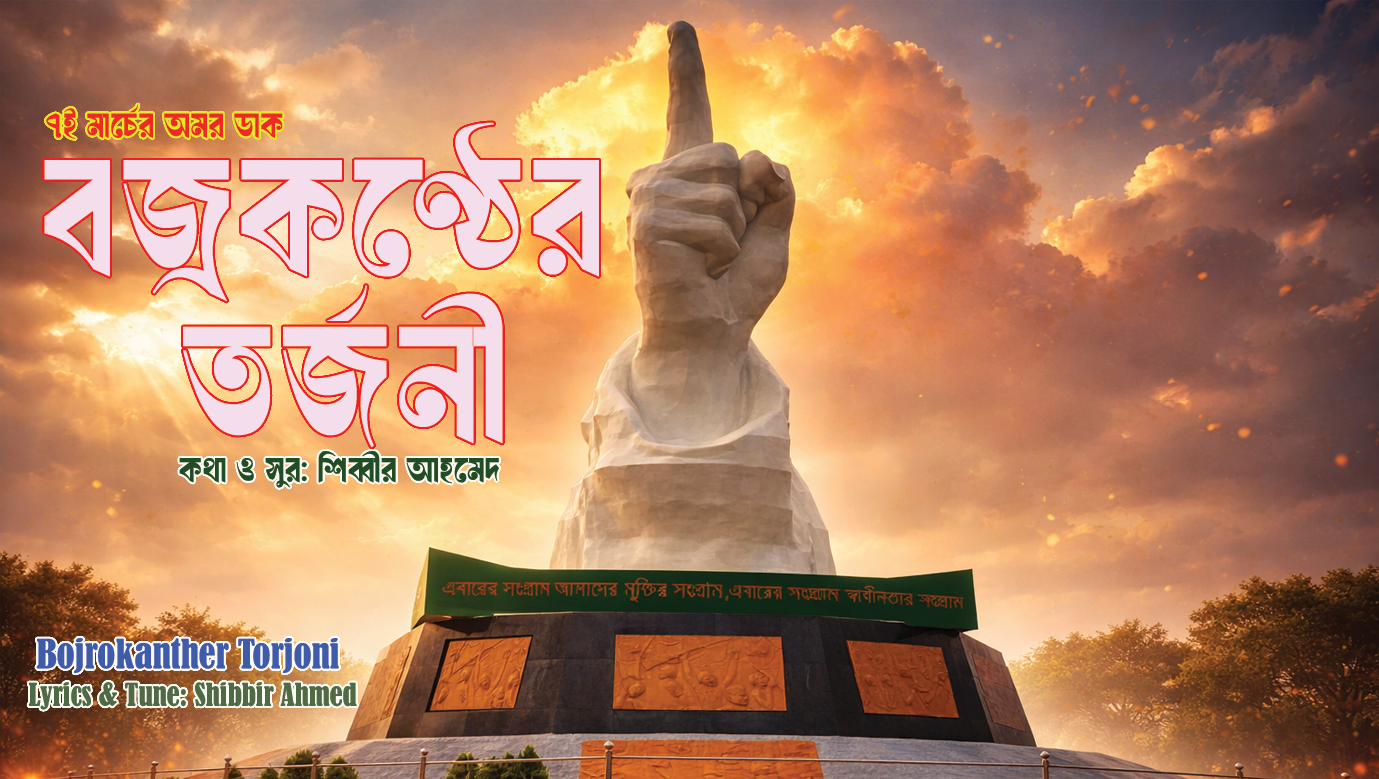
“The Thunderous Finger” symbolizes a resolute voice for independence and resistance against oppressive forces. It reflects the historic 7 March speech of Sheikh Mujibur Rahman, which inspired the entire nation to rise for freedom. The song is a musical representation of that courage and determination.
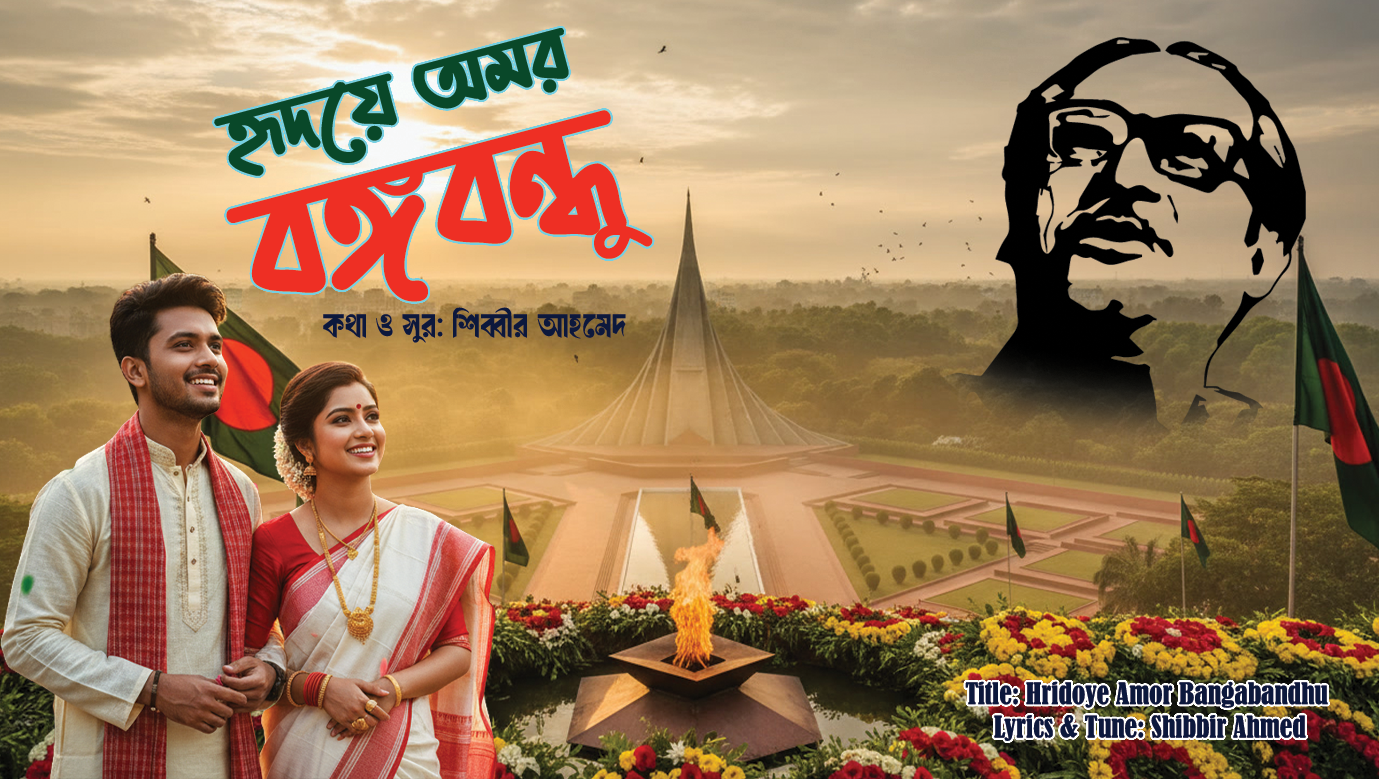
“Immortal in the Heart: Bangabandhu” was composed to honor the Father of the Nation on his birthday. The song reflects his leadership, personality, ideals, and fighting spirit, instilling respect for Sheikh Mujibur Rahman and a sense of responsibility toward the country in listeners.
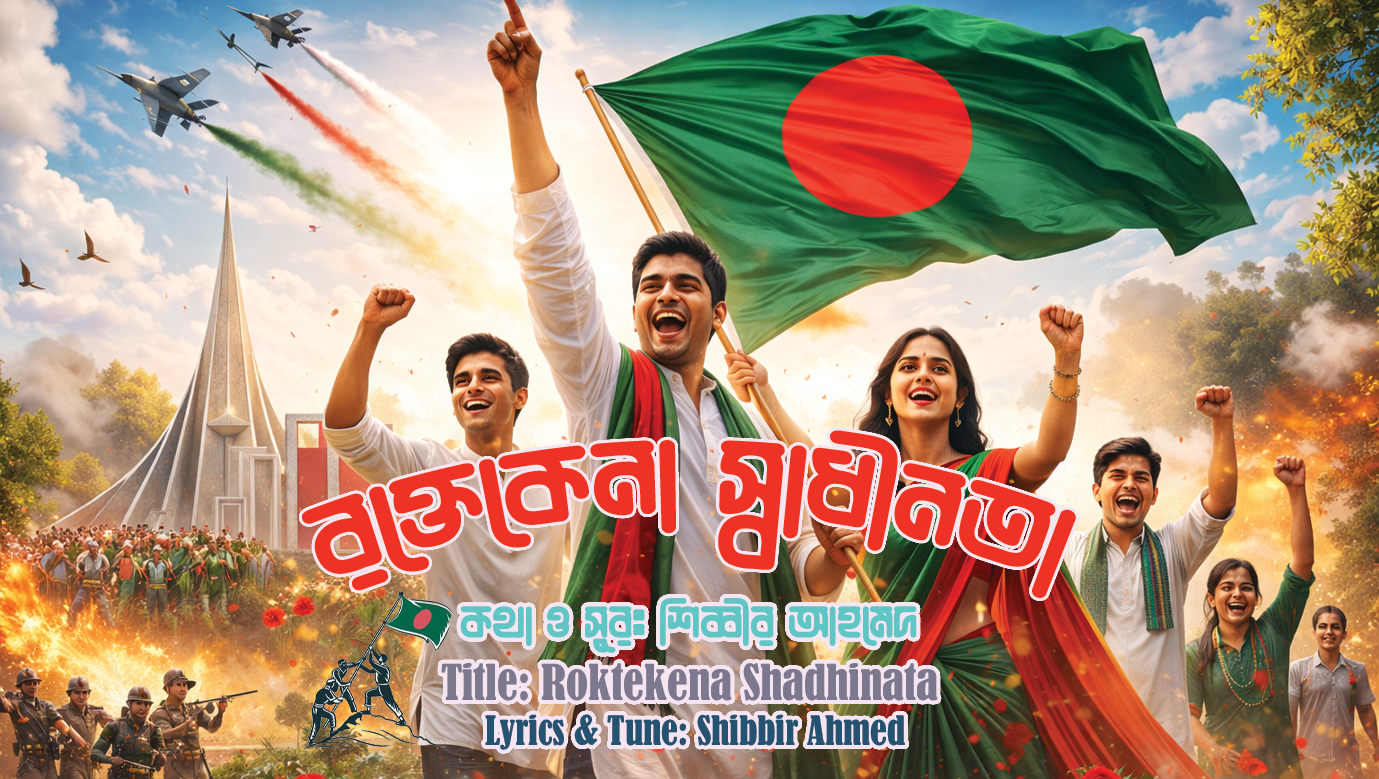
“Freedom Bought with Blood” narrates the sacrifices and bravery of the martyrs. On the night of 25 March 1971, Pakistani forces began massacring innocent Bengalis. At that critical moment, Sheikh Mujibur Rahman declared the independence of Bangladesh, prompting the Bengali people to take up arms against the Pakistani military. On 26 March 1971, Bangladesh officially emerged on the world map, fulfilling a thousand-year-old dream of the Bengali nation. The song commemorates the history and sacrifices of the martyrs.
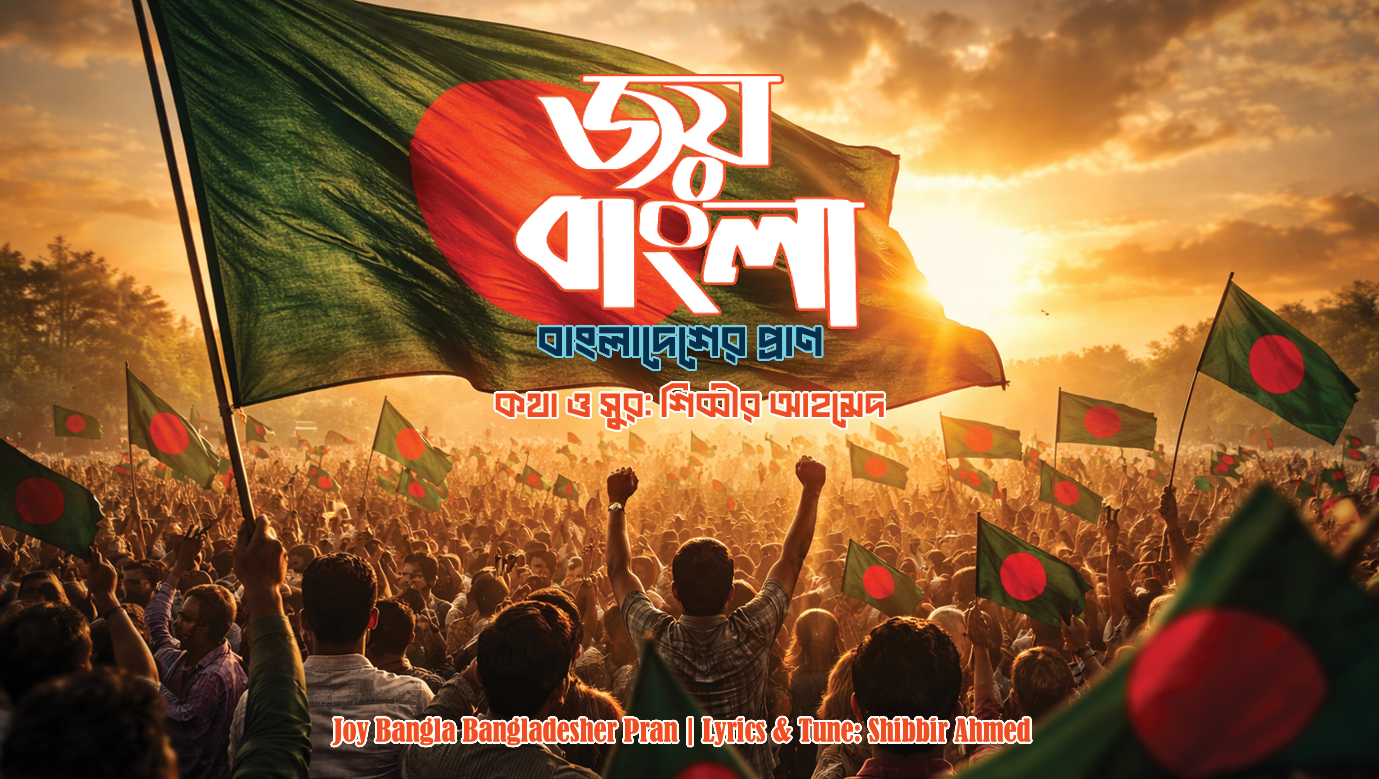
“Joy Bangla – The Soul of Bangladesh” expresses the joy of victory and boundless love for the country. The slogan “Joy Bangla” was the rallying cry and the lifeblood of the Liberation War in 1971. Through this slogan, freedom fighters fought against the Pakistani army to achieve victory. “Joy Bangla” is not a personal slogan; it belongs to Bangladesh, to the Liberation War, and to the spirit of independence.
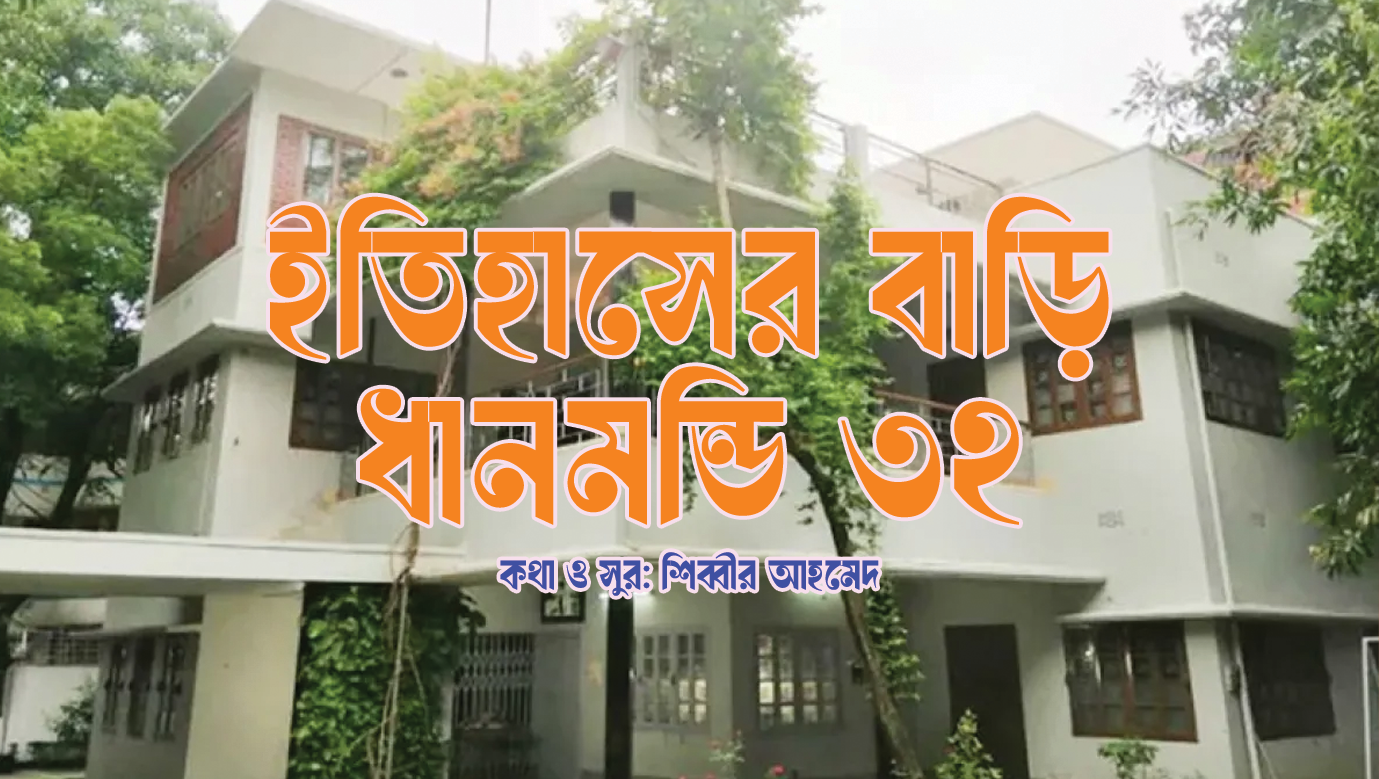
In addition, Shibbīr Ahmed has recently released “The House of History: Dhanmondi 32,” written and composed by him. This song focuses on the historic Dhanmondi 32 residence, which during the Liberation War was the place where women who survived sexual violence found refuge, making it a significant site in Bangladesh’s history. Recently, the house suffered vandalism and destruction. Through this song, Shibbīr Ahmed seeks to preserve history through music, honoring the truth and memory of the past while sending a warning against the destruction of historical heritage.
The music videos for all the songs include historical images of the Liberation War, personal moments of Sheikh Mujibur Rahman, and scenes depicting the courage of freedom fighters. Viewers can emotionally connect with history through these videos. The songs have already received a warm response on YouTube and have sparked widespread discussion on social media. All songs are available on YouTube at [https://www.youtube.com/@TrishnarGaan].
Shibbīr Ahmed has worked for many years as a journalist, exploring the country’s history, social culture, and cultural movements. Analysts have remarked that his initiative is not just entertainment but a powerful medium to bring the glorious history of Bangladesh’s independence to the younger generation. The songs combine history, patriotism, and the spirit of the Liberation War, encouraging the youth to understand the value of independence and inspiring emotional engagement with the nation’s legacy.

